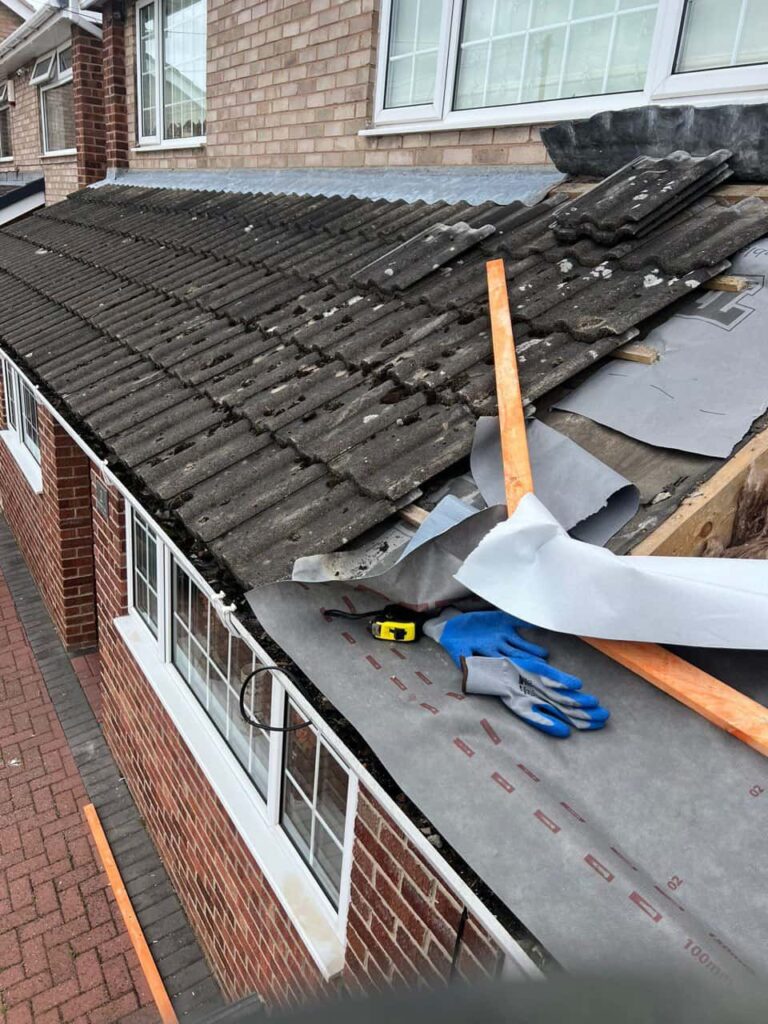
Your roof is constantly exposed to changing weather conditions, from heavy rainfall and strong winds to prolonged periods of damp and cold weather. Over time, this exposure can affect roofing materials and contribute to problems that may require professional attention.
For homeowners in Chorleywood, Hertfordshire, understanding how weather can affect a roof makes it easier to recognise warning signs and arrange repairs when necessary. Addressing damage early can help maintain the roof’s ability to protect the property and prevent minor defects from becoming more extensive.
How Rain Can Affect Your Roof
Rain is one of the most common causes of roofing problems. Water can enter through cracked tiles, damaged flashing, deteriorated pointing or defective roof coverings.
A small weakness may not immediately result in noticeable internal damage. However, repeated rainfall can allow moisture to work its way into the roof structure. Water stains on ceilings, damp patches and mould growth can all indicate that water is entering where it should not.
If these signs appear, a professional inspection can help identify the source of the problem.
The Impact of Strong Winds
Strong winds can place considerable pressure on roofing materials. Tiles may become loose or displaced, while ridge tiles, flashing and other exposed components can also be affected.
Even when there is no obvious missing tile, wind can create small gaps or loosen materials that later allow rainwater to enter. After periods of particularly strong winds, it is worth checking for visible changes to the roof and arranging a professional assessment if anything appears unusual.
Cold Weather and Temperature Changes
Repeated changes in temperature can affect roofing materials over time. Materials expand and contract as temperatures change, which can contribute to deterioration in some areas of the roof.
Cold weather can also make existing weaknesses more noticeable. Cracks, damaged mortar and deteriorated roofing materials may become more vulnerable when exposed to repeated temperature changes.
Regular inspections can help identify developing problems before they affect larger sections of the roof.
Moss and Persistent Damp
Damp conditions can encourage moss growth on roof surfaces. While some moss may appear harmless, heavy growth can retain moisture and make it harder to see the condition of the roofing materials underneath.
Moss can also contribute to blocked gutters and drainage channels if it becomes dislodged. If there are signs of excessive growth alongside damaged or displaced roofing materials, professional assessment can help determine whether repairs or other maintenance are required.
How Weather Can Affect Roof Flashing
Flashing protects vulnerable areas where different parts of the roof meet. It is particularly important around features such as chimneys, roof junctions and other changes in the roof structure.
Repeated exposure to wind and rain can cause flashing to become loose, cracked or deteriorated. Damaged flashing can create an entry point for water, even when the main roof covering appears to be in good condition.
Professional roof repairs can address defective flashing and help restore protection to these vulnerable areas.
Signs That Weather Has Damaged Your Roof
Weather-related damage is not always immediately obvious. Homeowners in Chorleywood should look out for warning signs such as:
- Missing, cracked or slipped tiles
- Damp patches or water stains indoors
- Loose or damaged flashing
- Sagging areas of the roof
- Damaged or missing ridge tiles
- Excessive moss or visible deterioration
- Gutter problems following periods of severe weather
If any of these signs are present, investigating the cause promptly can help prevent further deterioration.
When Are Roof Repairs Necessary?
Not every sign of weather exposure means that a complete roof repair is required. The appropriate work depends on the type, location and extent of the damage.
Localised issues such as a slipped tile or damaged section of flashing may require targeted repairs. More widespread deterioration may require a more detailed assessment to determine the most appropriate solution.
A professional roofer can inspect the affected areas and explain which repairs are necessary.
Preventing Weather-Related Roof Problems
Regular roof maintenance can help identify weaknesses before they become significant problems. Keeping gutters clear, monitoring visible roof components and arranging professional inspections when concerns arise can all contribute to better roof maintenance.
It is particularly sensible to check the roof after periods of severe weather. Identifying loose, cracked or displaced materials early can make it easier to address problems before water enters the property.
Professional Roof Repairs in Chorleywood
For homeowners in Chorleywood, Hertfordshire, LS Roofing Chorleywood provides professional roof repair services for weather-related damage and other common roofing problems.
Whether the issue involves damaged tiles, flashing, leaks or other components, a professional assessment can help establish the cause and identify the appropriate repair work.
Conclusion
Weather can gradually affect a roof through repeated exposure to rain, wind, damp and changing temperatures. Problems such as damaged tiles, defective flashing and water ingress should not be ignored, as small defects can become more difficult to manage if left untreated.
If you have noticed signs of weather-related roof damage at your property in Chorleywood, Hertfordshire, contact LS Roofing Chorleywood to arrange a professional assessment and discuss the repairs your roof may require.
Call us on: 01923 961 994
Click here to find out more about LS Roofing Chorleywood
Click here to complete our contact form and see how we can help with your roofing needs.