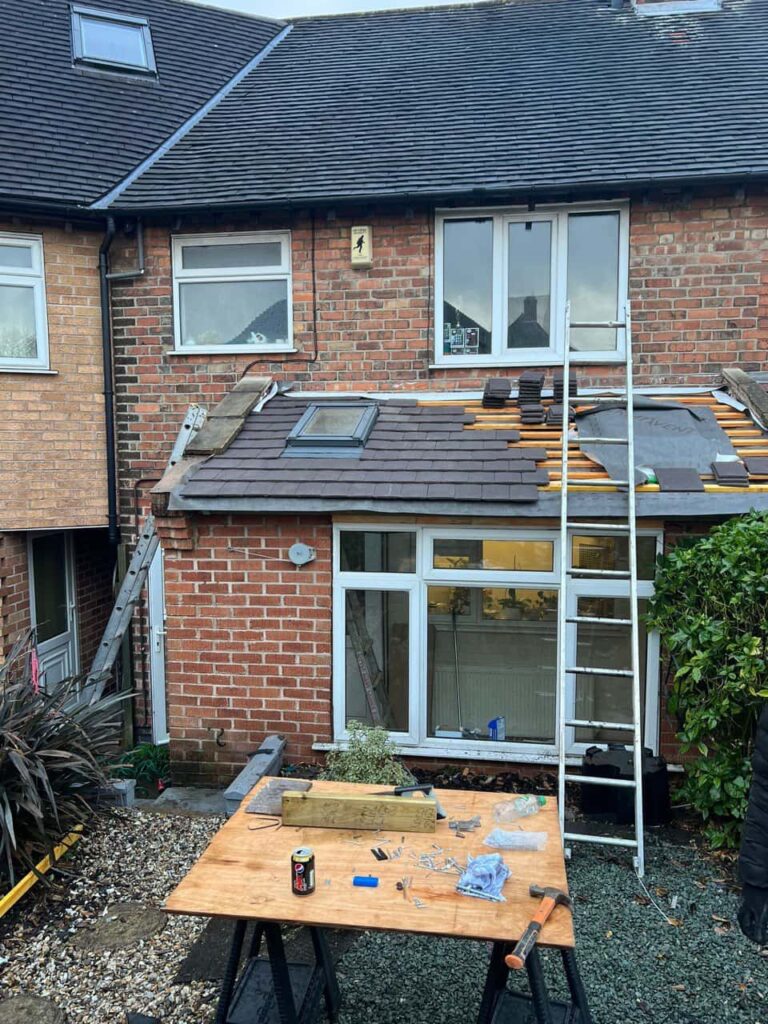
Lead flashing is one of the most important components of a roofing system. Although it often goes unnoticed, it plays a crucial role in preventing water from penetrating vulnerable areas of the roof, such as chimneys, valleys, roof junctions, and abutments. When lead flashing is in good condition, it helps keep a property watertight and protects the underlying structure from moisture-related damage.
However, like any roofing material, lead flashing can deteriorate over time. Understanding what causes this deterioration can help homeowners identify potential issues early and maintain the long-term performance of their roof.
For homeowners in Chorleywood, Hertfordshire, regular inspections of lead flashing can help prevent minor concerns from developing into more significant roofing problems. At LS Roofing Chorleywood, we regularly assess and repair flashing to ensure roofs remain secure and weather-resistant.
The Purpose of Lead Flashing
Lead flashing is installed wherever there is a change in the roof structure or where roofing materials meet another surface. Its flexibility and durability make it highly effective at creating a waterproof seal.
Common locations for lead flashing include:
- Around chimneys
- Roof valleys
- Dormer windows
- Wall and roof junctions
- Roof penetrations and vents
When flashing begins to deteriorate, these areas become more vulnerable to water ingress.
Natural Ageing Over Time
One of the most common reasons lead flashing deteriorates is simple age. Although lead is an exceptionally durable material, years of exposure to the elements gradually affect its condition.
As flashing ages, it can become:
- Less flexible
- More prone to cracking
- Vulnerable to movement and stress
For properties in Chorleywood, Hertfordshire, older flashing may eventually reach a stage where replacement becomes the most reliable solution.
Expansion and Contraction
Lead naturally expands and contracts as temperatures change throughout the year. During warmer weather it expands, while colder conditions cause it to contract.
Although lead is designed to accommodate this movement, repeated cycles over many years can result in:
- Fatigue within the material
- Stress fractures
- Splitting at weak points
This is particularly common where flashing has been installed in long sections without allowing for adequate movement.
Poor Installation Techniques
Even high-quality lead flashing can fail prematurely if it has not been installed correctly. Improper fitting can place unnecessary stress on the material and reduce its lifespan.
Common installation issues include:
- Incorrect fixing methods
- Insufficient support
- Poorly formed joints
- Inadequate allowance for expansion
Professional installation helps ensure the flashing performs as intended and remains durable over the long term.
Weather Exposure
Lead flashing is constantly exposed to the weather. Rain, wind, frost, and prolonged sunlight all contribute to gradual wear.
Over time, weather exposure can cause:
- Surface deterioration
- Loosening around joints
- Increased vulnerability to cracking
For homes in Chorleywood, Hertfordshire, routine inspections can identify these issues before they lead to leaks.
Structural Movement
Buildings naturally move slightly over time due to settling, temperature fluctuations, and environmental conditions. This movement can place pressure on flashing, particularly around chimneys and roof junctions.
When structural movement occurs, flashing may:
- Pull away from adjoining surfaces
- Develop small splits
- Lose its watertight seal
Addressing these issues early helps prevent water from entering the property.
Debris and Moss Build-Up
Areas around flashing can collect debris such as leaves, twigs, and moss. Over time, this build-up can trap moisture against the flashing and surrounding materials.
Persistent moisture can contribute to:
- Accelerated deterioration
- Increased stress on joints
- Reduced effectiveness of the flashing system
Regular roof maintenance helps keep these areas clear and functioning correctly.
Signs That Lead Flashing May Be Deteriorating
Homeowners should be aware of common warning signs that indicate flashing may need attention.
These include:
- Visible cracks or splits
- Lifting or loose flashing
- Damp patches near chimneys or roof junctions
- Water staining on ceilings or walls
- Recurring leaks during rainfall
If any of these signs are present, a professional inspection is recommended.
The Importance of Professional Assessment
Lead flashing issues are not always obvious from ground level. A professional roofing inspection can identify deterioration before it causes more extensive problems.
At LS Roofing Chorleywood, we provide detailed inspections and expert flashing repairs for homeowners throughout Chorleywood, Hertfordshire. Our experience allows us to identify potential weaknesses and recommend the most appropriate solution for each property.
Conclusion
Lead flashing is one of the most reliable roofing materials available, but it is still subject to ageing, weather exposure, structural movement, and installation quality. Over time, these factors can cause flashing to crack, loosen, or lose its effectiveness, increasing the risk of leaks and water damage.
For homeowners in Chorleywood, Hertfordshire, regular inspections and timely maintenance are the best ways to extend the lifespan of lead flashing and protect the overall condition of the roof.
If you have concerns about the condition of your roof flashing, LS Roofing Chorleywood can provide professional inspections, repairs, and expert advice tailored to your property in Chorleywood, Hertfordshire. A proactive approach today can help prevent more significant roofing issues in the future.
Call us on: 01923 961 994
Click here to find out more about LS Roofing Chorleywood
Click here to complete our contact form and see how we can help with your roofing needs.