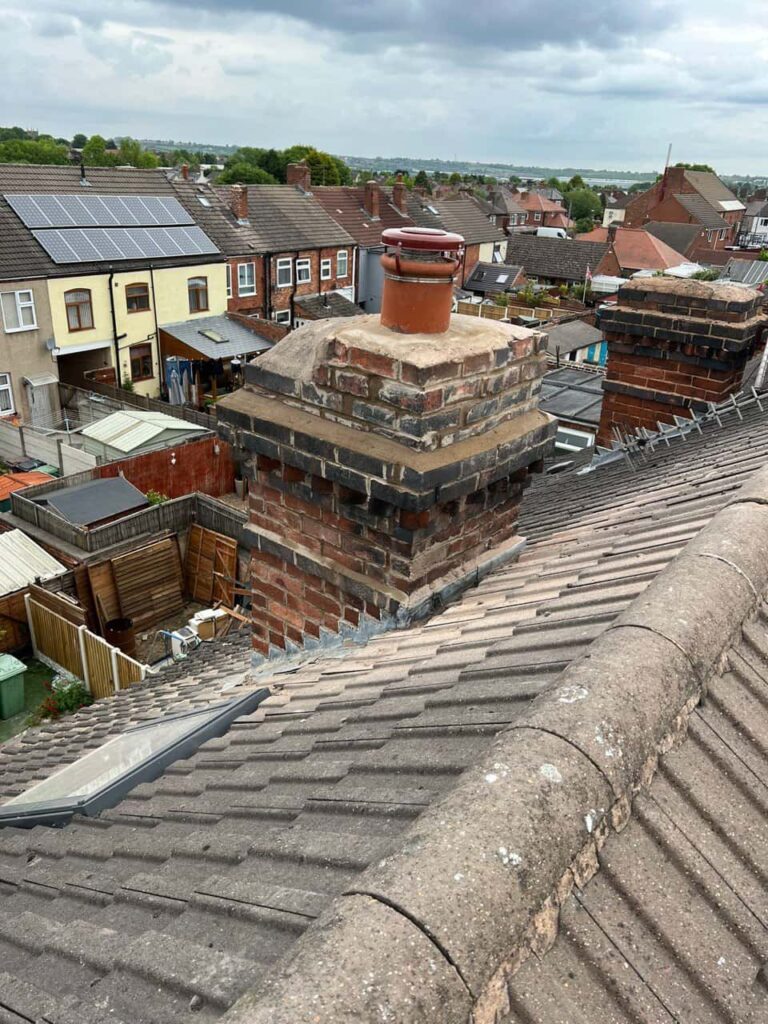
Discovering damage on one part of a roof does not automatically mean the entire roofing system needs extensive work. In many cases, a defect that is genuinely confined to a particular area can be repaired locally while the surrounding roof remains undisturbed. The important question is whether the visible damage really is isolated or whether it is a symptom of a wider problem.
For homeowners in Chorleywood, Hertfordshire, a professional roof assessment can establish the extent of the defect before deciding on the most appropriate repair. At LS Roofing Chorleywood, the objective is to address the actual cause of the problem while retaining sound roofing materials wherever practical.
What Is a Localised Roof Repair?
A localised repair concentrates work on a specific defective section rather than renewing large areas of an otherwise serviceable roof.
Examples of problems that may sometimes be suitable for targeted repair include:
- A small number of cracked or broken tiles
- Slipped roofing materials
- Localised flashing defects
- Damage around a particular roof junction
- An isolated area of water ingress
- Limited storm-related deterioration
Where the surrounding roof remains structurally sound and weather-resistant, repairing only the affected area can restore its integrity without unnecessary disturbance elsewhere.
The Visible Defect May Not Be the Whole Problem
Before deciding that only one section needs attention, it is important to determine why the damage occurred.
For example, a broken tile may simply be an isolated defect. However, damp appearing beneath one section of the roof could have originated somewhere else entirely.
Once water passes beneath the external covering, it can travel along underlay, battens or structural components before becoming visible indoors. This means the location of a ceiling stain does not necessarily identify the exact point of entry.
Professional investigation helps distinguish between the symptom and the underlying cause.
When Can a Single Section Usually Be Repaired?
A targeted repair is most appropriate when the defect has clear boundaries and the surrounding roofing system remains in satisfactory condition.
Several factors need to be considered.
The Condition of Nearby Materials
Tiles, slates, flashing and other materials around the damaged section should still be secure and serviceable.
The Extent of Water Ingress
If moisture has remained localised, the repair may be relatively contained. Wider water penetration may require additional investigation.
The Condition Beneath the Roof Covering
Damage to underlay, battens or timbers can make a seemingly small surface repair more involved.
The Cause of the Problem
Identifying why the section failed is essential. Replacing damaged materials without correcting the cause could allow the problem to return.
Broken or Slipped Tiles Can Often Be Localised
Individual tiles and slates can occasionally become cracked, displaced or damaged while the rest of the roof remains in good condition.
In suitable circumstances, the affected materials can be carefully removed and replaced without disturbing large areas of the roof.
However, repeated tile movement across different sections can indicate a wider issue involving fixings, ageing materials or the general condition of the roof. This is why even apparently straightforward defects benefit from professional assessment.
Flashing Defects May Affect a Defined Area
Flashing helps protect vulnerable junctions where different parts of the roof meet.
If flashing becomes loose, cracked or deteriorated, water may begin entering around that particular detail. Where the surrounding roof remains sound, repairing or renewing the defective flashing may resolve the problem without requiring work elsewhere.
Careful workmanship is particularly important because roof junctions are areas where effective weatherproofing depends on accurate detailing.
What Happens If the Underlay Is Damaged?
Sometimes the external roof covering appears to have only minor damage, but inspection reveals deterioration underneath.
The underlay provides an additional protective layer beneath tiles or slates. If it has torn, deteriorated or been affected by persistent water ingress, roofing materials may need to be lifted locally so that the damaged section can be accessed.
This does not necessarily mean the whole roof requires replacement. It does, however, demonstrate why the true extent of the problem should be established before repair work begins.
Why Matching the Existing Roof Matters
A successful local repair should integrate properly with the surrounding roofing system.
This involves considering:
- The existing roofing material
- Tile or slate profile
- Alignment
- Fixing methods
- Roof detailing
- Weatherproof connections
The aim is not simply to cover the damaged area but to restore it so that it performs effectively as part of the complete roof.
When a Local Repair May Not Be Enough
There are circumstances where repairing one visible section would fail to address the overall condition of the roof.
A broader approach may be necessary if an inspection identifies:
- Widespread deterioration
- Numerous recurring leaks
- Extensive underlay failure
- Multiple areas of damaged roofing
- Significant deterioration of supporting components
- Repeated previous repairs across the roof
In these situations, continually treating isolated symptoms may provide limited benefit because the roofing system itself is becoming unreliable.
Avoiding Unnecessary Disturbance to Sound Roofing
One advantage of a correctly diagnosed local repair is that serviceable sections of the roof can often remain untouched.
Unnecessary removal of sound roofing materials serves little purpose when the problem has been confidently identified as localised. An experienced roofer should therefore determine the minimum extent of work required to complete an effective and durable repair.
This approach protects the existing roof while ensuring the damaged area receives appropriate attention.
Why Early Repairs Are Particularly Important
A small defect is more likely to remain suitable for localised repair when it is addressed promptly.
If water continues entering through a damaged section, deterioration can gradually spread into adjacent materials. What began with one displaced tile could eventually affect underlay, battens, insulation or internal finishes.
Signs worth investigating include:
- Newly slipped or damaged tiles
- Damp patches
- Water staining
- Visible defects around flashing
- Debris from roofing materials
- Changes to the appearance of a roof section
Early investigation can help contain the problem before the affected area becomes larger.
Professional Roof Repairs in Chorleywood, Hertfordshire
The most important part of any roof repair is accurate diagnosis. The size of the visible defect does not always correspond with the amount of work genuinely required.
At LS Roofing Chorleywood, we provide professional roofing services throughout Chorleywood, Hertfordshire. We assess the affected section together with the surrounding roof to establish whether targeted repair is appropriate or whether deterioration extends further than initially expected.
This allows the work to focus on restoring dependable weather protection rather than simply concealing visible symptoms.
Conclusion
Yes, one damaged section of a roof can often be repaired without touching the rest, provided the defect is genuinely localised and the surrounding roofing system remains in sound condition. Broken tiles, slipped materials, isolated flashing problems and limited areas of water ingress can frequently be addressed through targeted professional repairs.
However, the key is establishing the true extent and cause of the damage first. A defect that appears small from the outside may involve underlay or other components beneath the roof covering, while recurring problems can indicate wider deterioration.
If you have noticed damage to one section of your roof in Chorleywood, Hertfordshire, LS Roofing Chorleywood can assess the problem and determine the most appropriate repair. By identifying the cause before work begins, a professional repair can restore the affected area while preserving sound sections of the existing roof wherever possible.
Call us on: 01923 961 994
Click here to find out more about LS Roofing Chorleywood
Click here to complete our contact form and see how we can help with your roofing needs.